“There cannot be a sense of abundance or the experience of prosperity without appreciation.
.
You cannot find beauty unless you appreciate beauty.
.
You cannot find love unless you appreciate loving and being loved.
.
If you wish abundance, appreciate life.”
~ William R. Miller
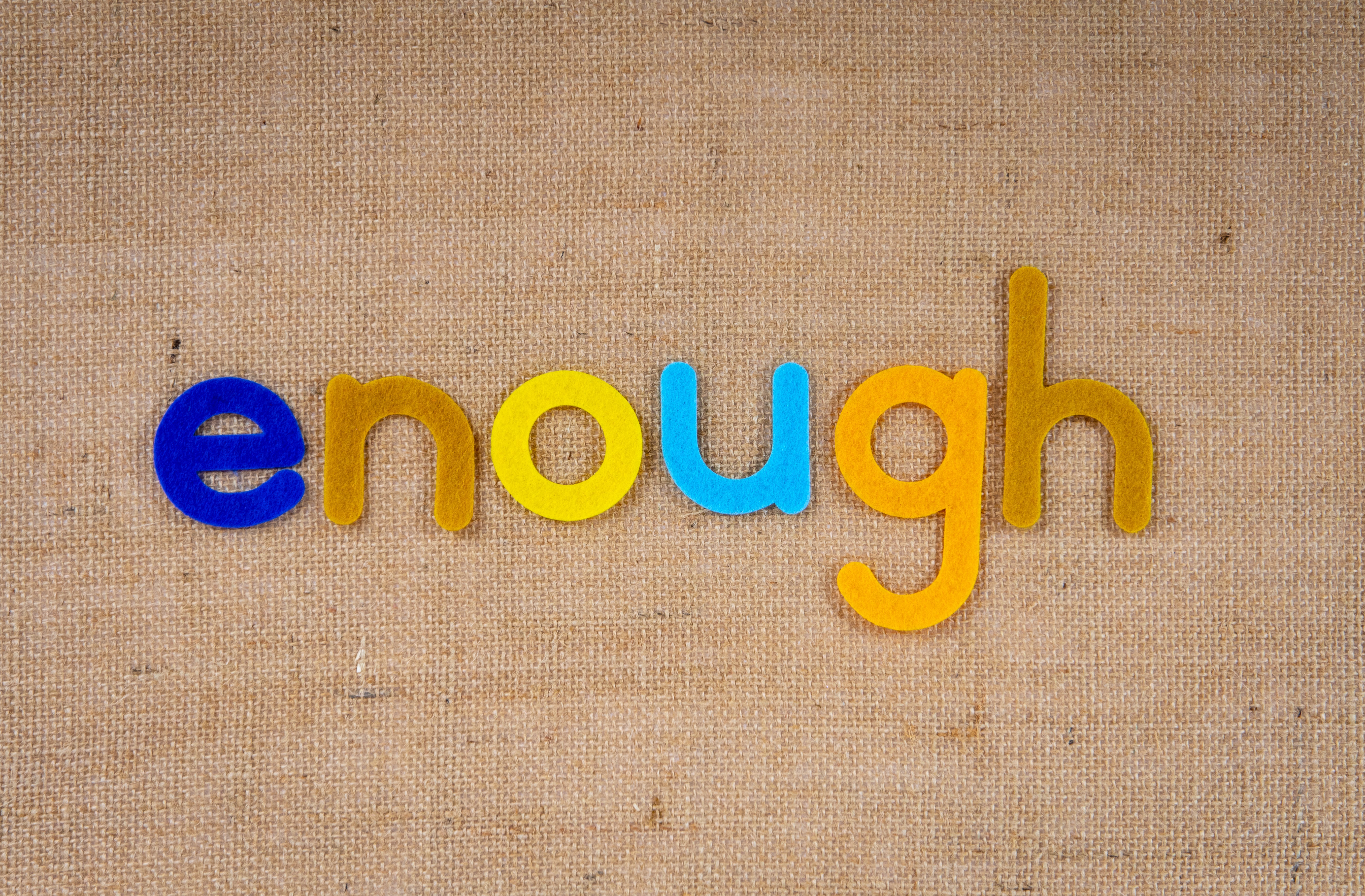
For you… how much is enough?
In 2021, a couple had their fourth child and needed to put their home, with 4-bedrooms, 1½ baths, a full basement and a separate 600 square foot garage on the market, to look for a bigger home. This can make perfect sense using today’s standards.
In 1935, a couple built that same size home, without running water, for their family of 11 (9 children).
Interestingly, that home is the same home and was built by my grandfather, who was the sole income earner in the family, and worked his entire life, as a coal miner.
So… how much is enough?
How does appreciation fit into your equation, that helps you determine, “how much is enough”?
We each get to choose our answer to that question and will be held accountable for our numerous choices we make during our unique Life Journey. There really isn’t any right or wrong answer to this question, but your answer provides insight into your level of appreciation for what you do have.
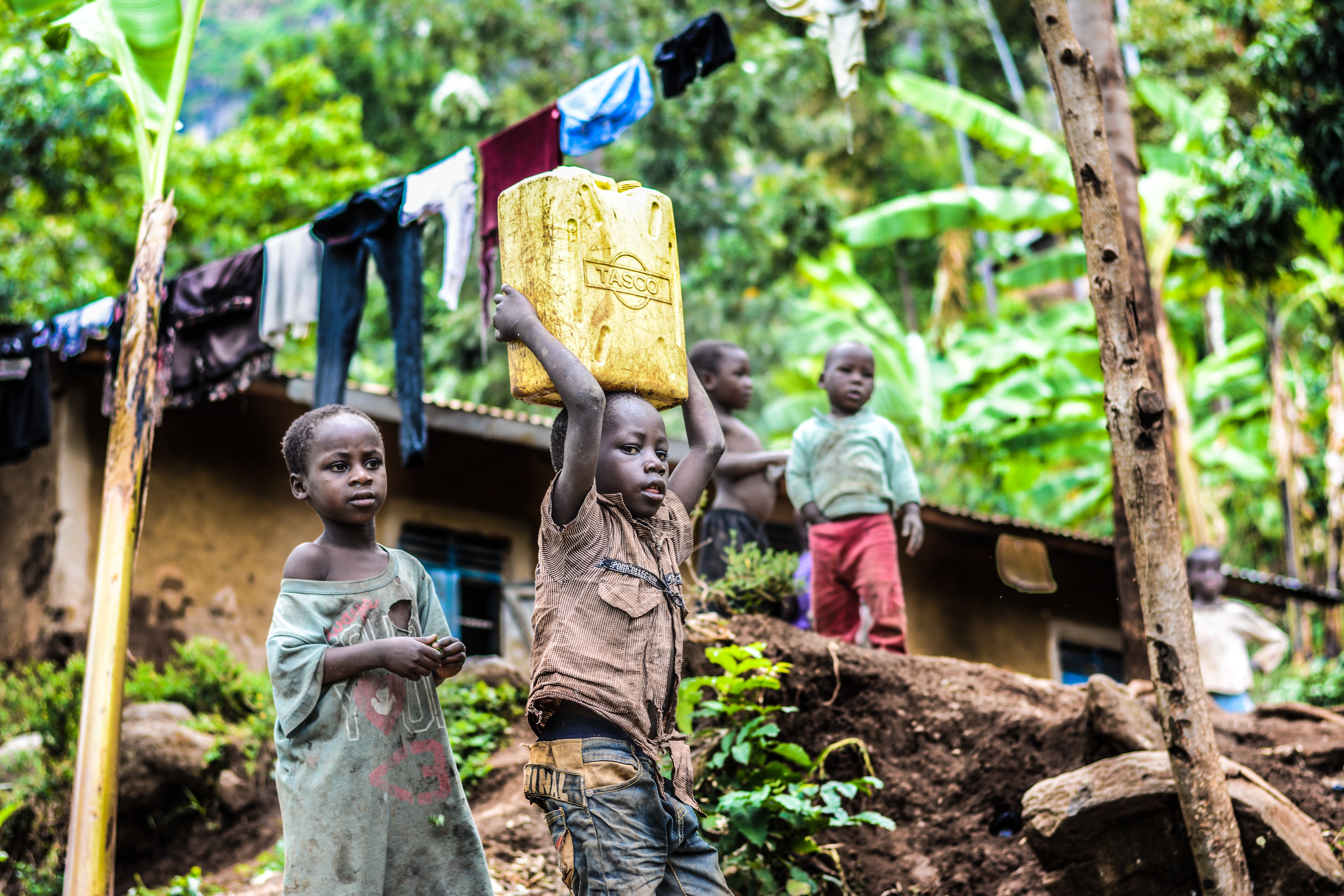
Stress… a way-too-common complaint in 2021, particularly in first-world countries. How does your level of stress compare to:
- What if you didn’t have clean drinking water for you and your family?
- What if there wasn’t a medical clinic within 10 miles of your village and you didn’t own a vehicle?
- What if you didn’t have a permanent home?
- What if you relied on a food bank for your family’s meals?
So… where does your genesis for appreciation come from and how is it developed? Is it passed on from generation to generation? Is it learned through experiences? Or, is it some combination?
Why is appreciation important? Here’s a few things I’ve observed. Appreciative people:
- Are more secure in themselves and don’t need constant reinforcement.
- Love to be wrong and genuinely learn from their mistakes.
- Are giving people, who constantly try to give more than they take.
- Treat others equally, regardless of their professional rank, socio-economic status, etc.
- Are low maintenance and exude much less drama, since they appreciate what they have, who they are and who they will become.

Lastly; appreciative people are some of the happiest people you’ll ever meet. They bring energy, a listening mindset, kindness, solutions, helping hands and so much more to your life!
Meanwhile, unappreciative people blame others for their failures, are self-centered, never seem to have enough and are generally miserable to be around.
Who are you?
Are you an appreciative leader looking to make a positive impact in other people’s lives?
Would you like to create $1+ Million for each of Your Favorite Non-Profits?
.
DM me on LinkedIn or directly (jim.roncevich@ipgsocialimpact.com).
.
Who changes the world? I believe it’s almost exclusively the Top-7%. They are the only ones with the Talent Portfolios and social consciences needed to actually implement significant positive social impact.
If you believe you’re one of these executives, we’d love to explore possible opportunities.
Get MAD! Get Making A Difference! ~ JR