“It is hard to imagine a more stupid or more dangerous way of making decisions than by putting those decisions in the hands of people who pay no price for being wrong.” – Thomas Sowell
“Endeavors succeed or fail because of the people involved. Only by attracting the best people
will you accomplish great deeds.” – General (USA-Ret) Colin L. Powell.

Refresher from previous blogs: The underlying competencies that make up our Comprehensive-DMQ include:
- DMQ–Base System;
- DMQ–Inner Circle;
- DMQ–Vision of Future Self;
- DMQ–Self-Sabotage;
- DMQ–Courage;
- DMQ–Heart; and,
- DMQ–Soul.
In this post, we’ll discuss how the underlying competency of DMQ–Inner Circle affects our Comprehensive-DMQ.
Professionally and personally, the people whom we decide to surround ourselves with, will have profound impact on our lives, both today and much more importantly, our future potential.
.
Interestingly, we have a circular loop taking place in this decision making process, regarding who should be in our Inner Circle; since, we use our Comprehensive-DMQ to choose our Inner Circle. Thus; one of the competencies we’re getting feedback from, is our DMQ–Inner Circle, on who should be in our Inner Circle. Unfortunately, it’s a little complicated. Nonetheless, it’s important to understand the embedded relationship between Comprehensive–DMQ and one of the underlying competencies, DMQ–Inner Circle.

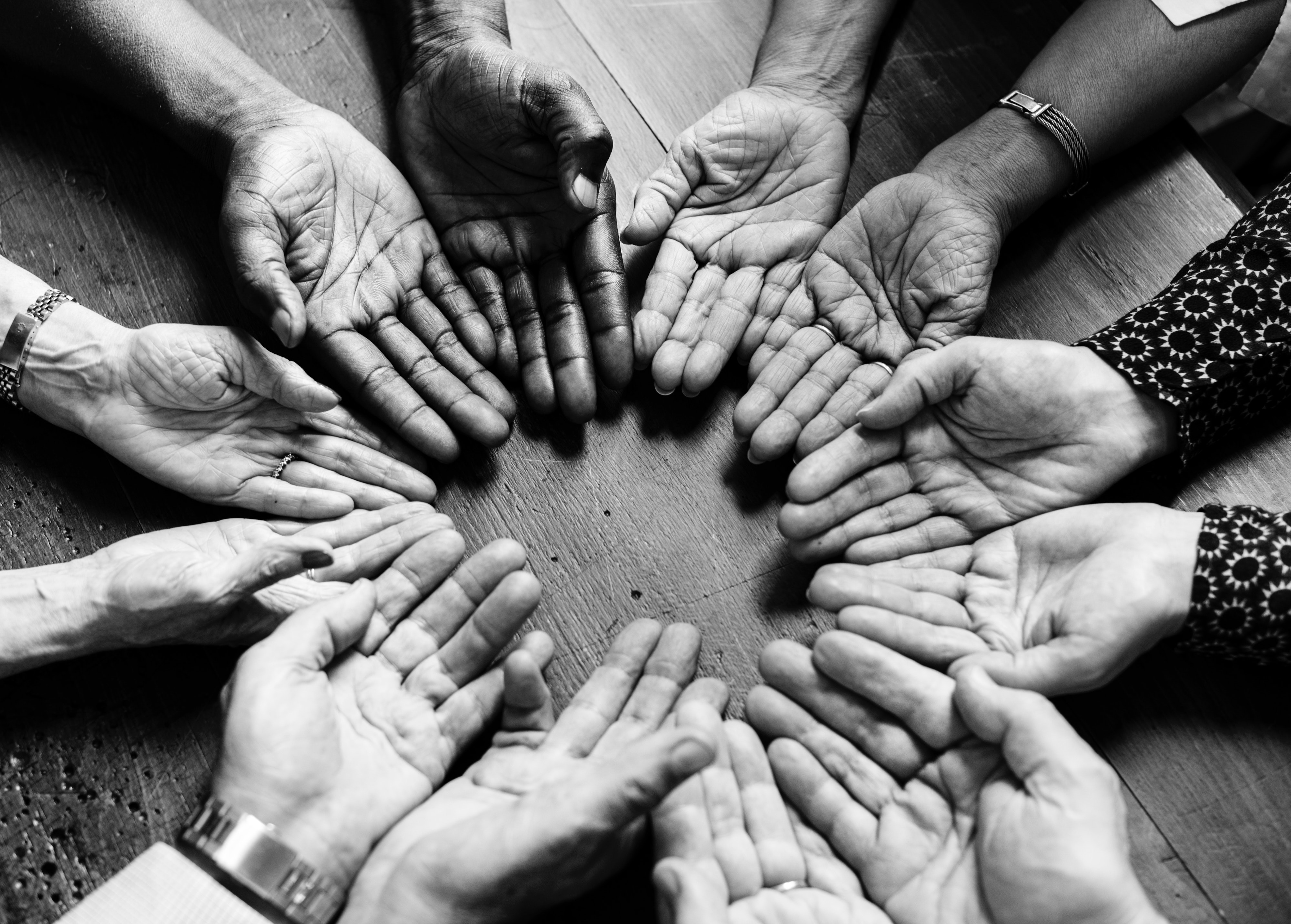
Let’s look at three example levels of DMQ–Inner Circles.
- Average DMQ–Inner Circle (4.0’s to 6.0’s, Scale=0.0 to 10.0, 10.0=Theoretically Perfect)
- Mixed DMQ–Inner Circle ( 4.0’s to 8.0’s)
- High DMQ–Inner Circle ( 7.5’s to 9.5’s)
1. Average DMQ–Inner Circle (4.0’s to 6.0’s) – When we look at the Standard Bell Curve, we know 68% of talent is “Average”. Basic math lets us know that 16% are “Above Average” and 16% are “Below Average”. Thus; objectively, 84% (68% + 16%) of leaders select an “Average” or “Below Average” Inner Circle. Therefore, leaders in this group should expect “Average” decisions to be contributed by their Inner Circles.
.
Interestingly, our decision about “how good our decisions are”, will typically be inflated since “Average” decision makers typically see their decisions as “Above Average”. This is an example of the DMQ Circular Loop Syndrome described in my leadership book, “Get MAD! 7 Keys to Being an Admired, Kick-Ass Leader”.

2. Mixed DMQ–Inner Circle (4.0’s to 8.0’s) – This is an interesting scenario and decision outcomes will vary based on which members of the Inner Circle the leader acquires feedback. We’ve all observed leaders making a brilliant decision one time and then a less than stellar decision the next time; while over time, there is an obvious lack of consistency.
.
3. High DMQ–Inner Circle (7.5’s to 9.5’s) – This group represents the top 16% and can be further split into roughly the Top-2.5% and the remaining 13.5%. This group will make extremely consistent and excellent decisions. There will typically be an eclectic group of talent within these Inner Circle groups. To outsiders, certain individuals in the group will often, not appear to fit. However; the diversity of thinking, range of options considered, etc. will create robust opportunities for leaders in this top talent bracket.
What does your Inner Circle look like?
- Is it helping you achieve the success equal to your potential or are you consistently falling short?
- Is it enabling your professional and personal dreams to become realities or vanish before your eyes?
- Are you excited every day you wake up or experience a range of inconsistent, mixed emotions?
- Are you intimidated by certain members of your Inner Circle or love that they’re ahead of you?
Who changes the world? I believe it’s almost exclusively the Top-7%. They are the only ones with the Talent Portfolios and social consciences needed to actually implement significant positive social impact.
.
If you believe you’re one of these executives, we’d love to explore possible opportunities.
Get Making A Difference! ~ JR